
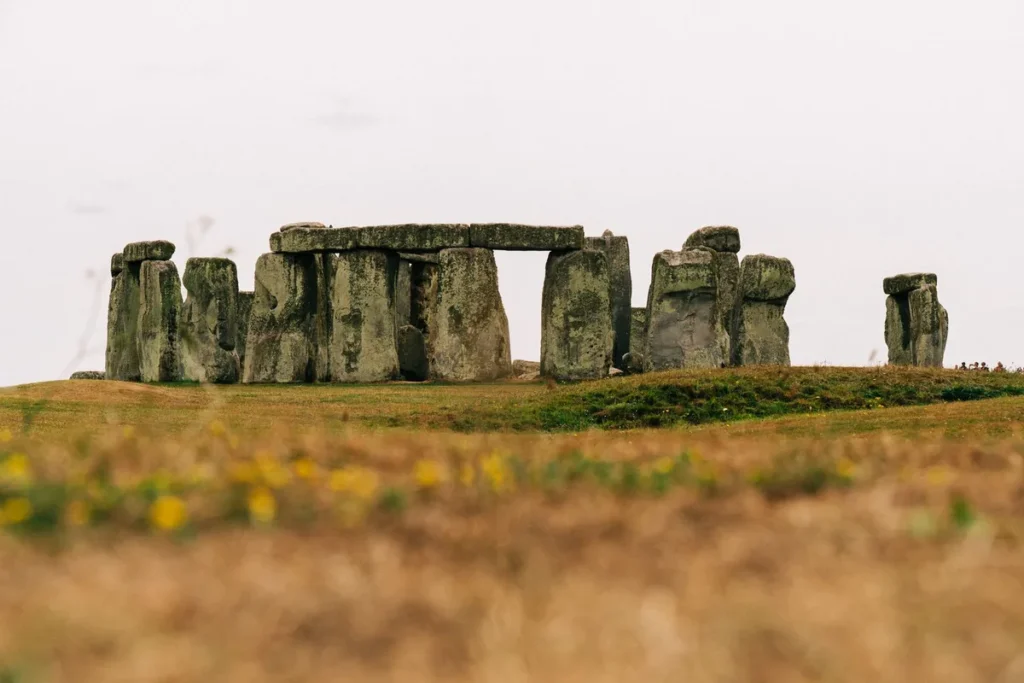
The best things to do near Stonehenge are Woodhenge and Durrington Walls, about 3 miles away and free; Old Sarum, and Salisbury Cathedral with its original 1215 Magna Carta, 25 minutes south; and the Avebury stone circle, 40 minutes north, with Lacock village 30 minutes beyond it. Bath is under an hour west.
Places near Stonehenge at a glance
Closest: Woodhenge and Durrington Walls, free, open in daylight
Biggest name: Salisbury Cathedral, with Britain’s tallest spire and an original Magna Carta
Second stone circle: Avebury, where you can walk among the stones
Prettiest village: Lacock, a medieval village around a National Trust abbey
Winter rule: see Stonehenge first, because last entry is 3pm and most places nearby close at 4pm
Below you will find a map with the drive time to each place, what each one is, its winter hours and prices, how long to stay and who it suits. At the end are three ready-made days from London, each timed door to door.
How far is each place from Stonehenge?
Everything in this guide lies within an hour’s drive of Stonehenge, and the closest sites are walkable from the stones. The map shows the drive time or distance from the Stonehenge visitor centre, and the three days built from them.
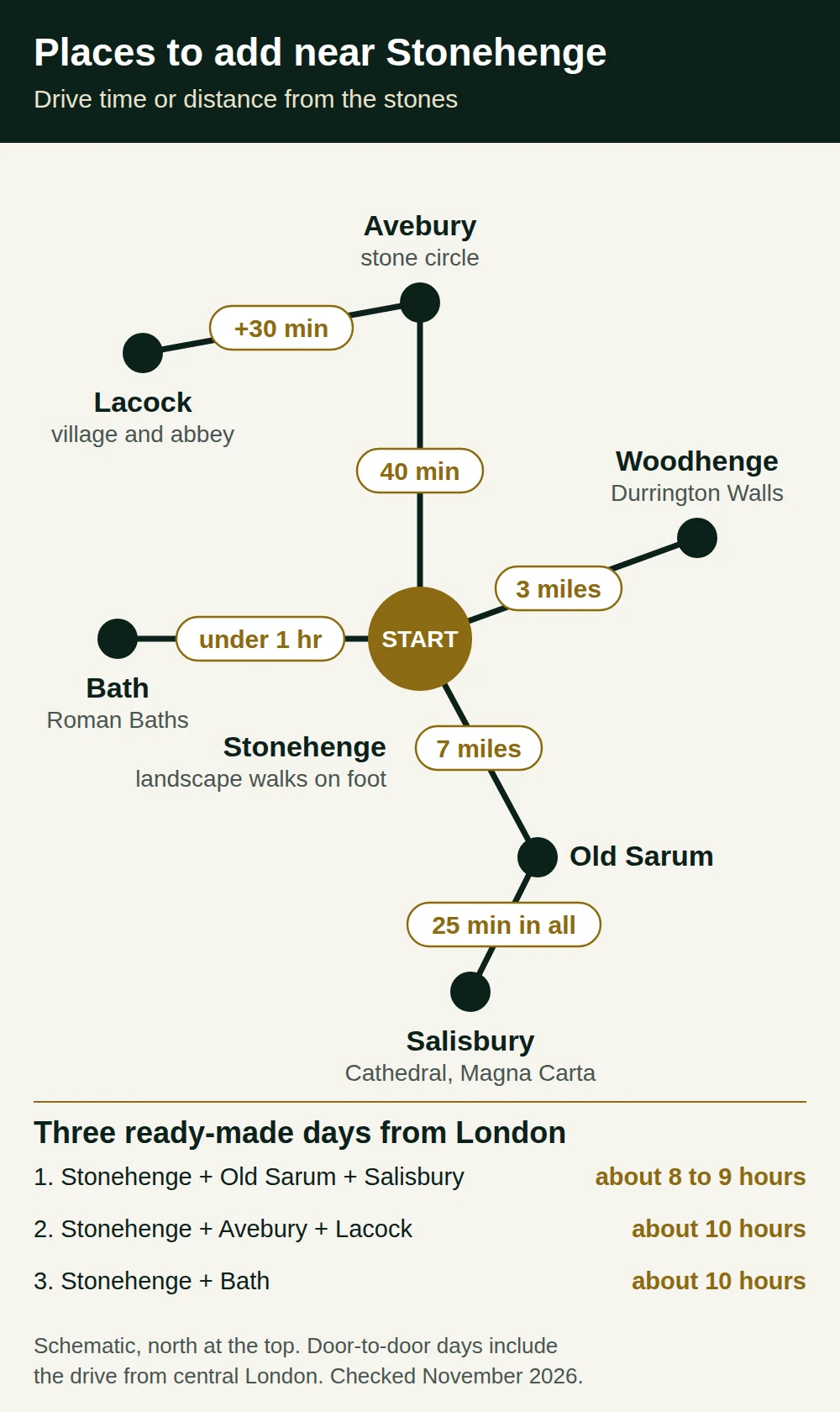
| Place | From Stonehenge by car |
|---|---|
| Stonehenge Landscape | on foot from the visitor centre; 25 to 40 minutes’ walk to the stones |
| Woodhenge and Durrington Walls | about 3 miles, a short drive |
| Old Sarum | about 7 miles, on the way to Salisbury |
| Salisbury Cathedral | about 25 minutes, 9 miles |
| Avebury | about 40 minutes north |
| Lacock | about 30 minutes beyond Avebury |
| Bath | under an hour west |
- Rule of thumb: pick one direction. Salisbury lies south, Avebury and Lacock north, Bath west.
- Two directions in one day: possible in summer, but a winter day runs out of light by about 4pm.
- Getting to Stonehenge itself: our guide on how to get from London to Stonehenge compares train, bus and car.
What is there to do right next to Stonehenge?
Right next to Stonehenge you can walk the open downland around the stones and visit Woodhenge and Durrington Walls, both free. They belong to the same World Heritage Site and explain how the area was used before and after the stones went up.
Stonehenge Landscape walks
- What it is: 827 hectares of chalk grassland around the stones, cared for by the National Trust and open to walkers.
- What you see: the Avenue, the Bronze Age burial mounds on King Barrow Ridge, and the Cursus, an earthwork nearly 2 miles long, built hundreds of years before Stonehenge.
- Further out: the Winterbourne Stoke barrows, a group of 17 burial mounds.
- Getting on to it: there is no parking in the landscape itself, so walkers park at the English Heritage visitor centre, which charges £4, and set off from there.
Stonehenge Landscape: the facts
Open: dawn to dusk, every day
Cost: free; dogs welcome
Time needed: 1 to 2 hours
Best for: walkers, and anyone who wants the stones without crowds around them
Woodhenge and Durrington Walls
- Woodhenge: rings of timber posts built about 2500 BC inside a bank and ditch. Concrete markers now show where the posts stood.
- How it was found: from the air in 1925, when rings of dark spots showed up in a wheat field.
- Durrington Walls: a huge henge about 500 metres across, next door, thought to mark the village of the people who built Stonehenge.
- Where: 1.5 miles north of Amesbury, the nearest town, and about 3 miles from Stonehenge.
Woodhenge: the facts
Open: any reasonable time in daylight
Cost: free, with free parking beside the site
Time needed: 30 to 45 minutes for both
Best for: a quick extra stop, and visitors curious about who built Stonehenge
Is Old Sarum worth adding to a Stonehenge day?
Yes, if you are heading to Salisbury: Old Sarum sits on the way, 2.1 miles north of the city, and an hour there takes in Iron Age ramparts, a Norman castle and the site of the first cathedral. It is the hilltop where Salisbury began before the town moved down to the river.
- Iron Age ramparts: you can walk right round the huge outer earthworks, raised in about 400 BC.
- Norman castle: the inner mound was founded by William the Conqueror, and you can trace the ruins of the royal castle on top.
- The first cathedral: Salisbury’s Magna Carta was delivered to the first cathedral here in 1215, before the city moved and the new cathedral was begun in 1220.
- By bus: the hourly Stonehenge bus from Salisbury station runs via Old Sarum.
Old Sarum: the facts
Open: 10am to 4pm every day through the winter, until mid-March; closed 24 to 26 December
Adult ticket: from £6.88 booked online, £8.10 at the gate (off-peak, without donation)
Time needed: about 1 hour
Best for: children who like to run the ramparts, and anyone visiting Salisbury Cathedral
What can you see at Salisbury Cathedral, and where is the Magna Carta?
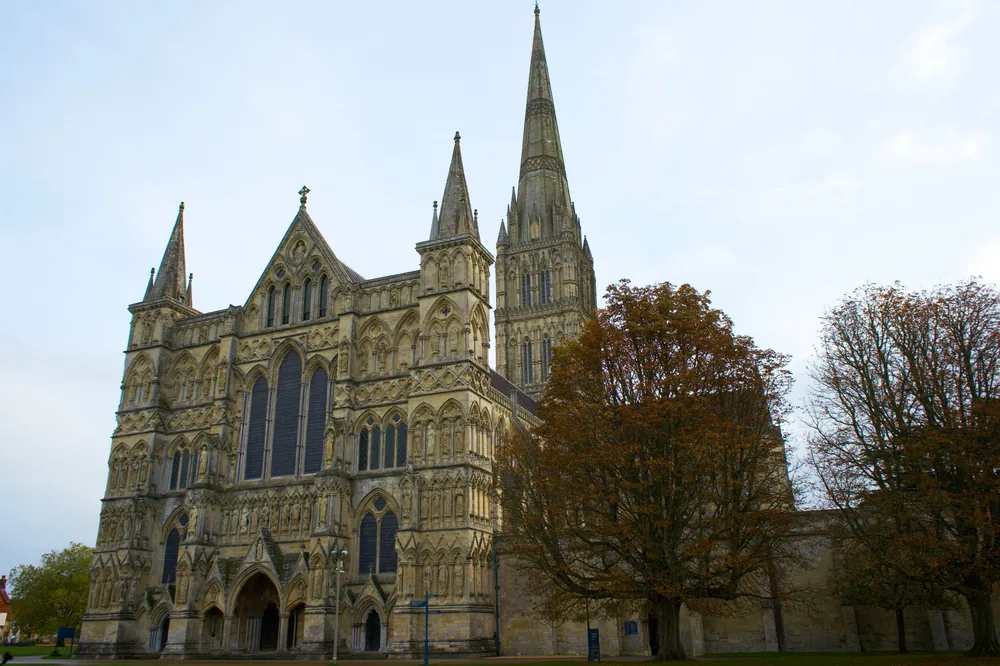
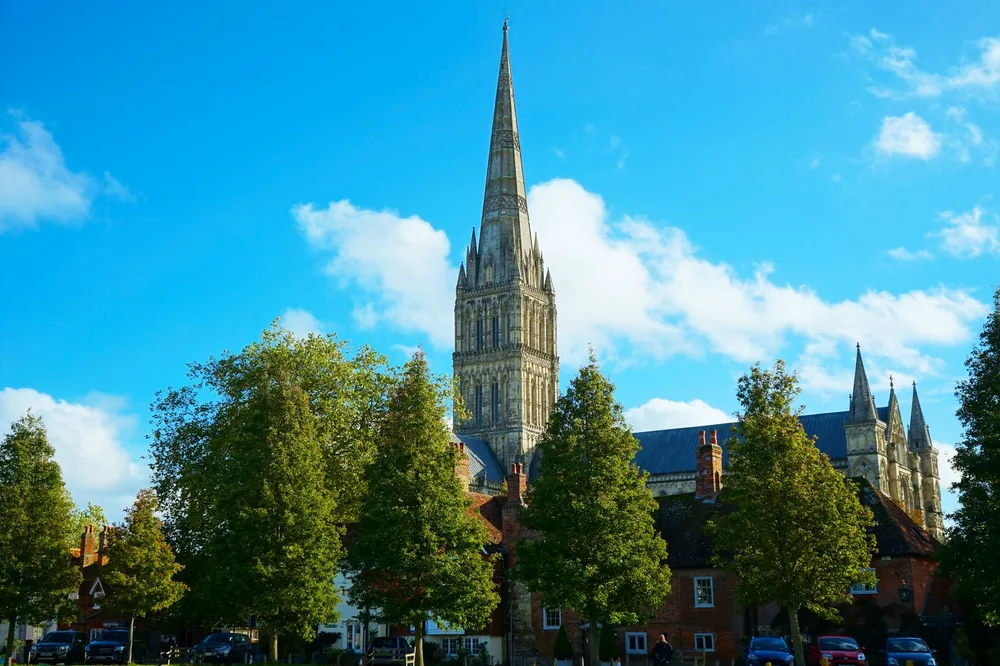
Salisbury Cathedral, 25 minutes from Stonehenge, has Britain’s tallest spire and one of the four surviving original 1215 copies of Magna Carta. The charter is shown in the Chapter House, and your entry ticket covers both.
- Records: the tallest spire in Britain, the largest cloisters and the biggest cathedral close.
- Magna Carta: agreed by King John on 15 June 1215; two of its clauses are still part of English law.
- Free tours: guided tours and demonstrations run during the day, including the medieval clock.
- Getting there: Salisbury station is a 15-minute walk; parking inside the Close costs £12 for the day.
Salisbury Cathedral: the facts
Open Monday to Saturday: 10am to 5pm, last entry 3:45pm; Chapter House with Magna Carta 10:30am to 4:30pm
Open Sunday: 12:30pm to 4pm, last entry 3pm; Chapter House 1pm to 4pm
Adult ticket: £12.50 online or £14.50 on the day; under-12s free; valid for a year of return visits
Late November: closes early on 27 and 28 November and is closed to visitors on Sunday 29 November
Time needed: 1 hour 30 minutes to 2 hours
Best for: history, architecture and anyone who wants to see Magna Carta
Is Avebury better than Stonehenge?
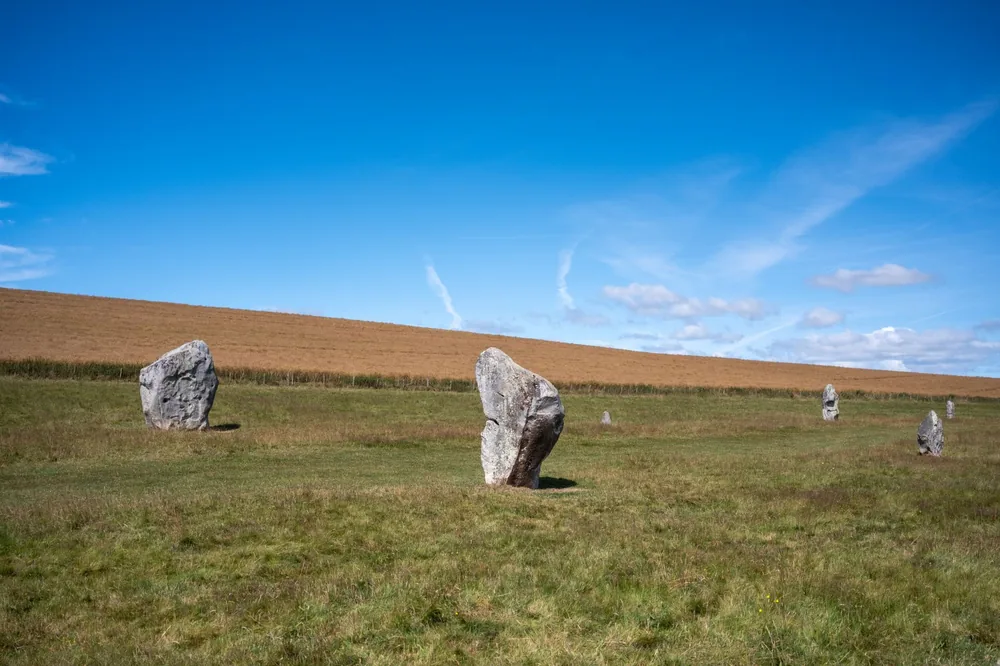
It depends on what you want: Avebury is the largest stone circle in the world and you can walk among its stones, while at Stonehenge a normal visit keeps you on a path around the circle. The two make a good pair, 40 minutes apart. At Stonehenge the only paid way inside is a Stonehenge inner circle tour, held at dawn or in the evening.
- What you see: a huge bank and ditch around an outer circle, with two smaller circles and a cove inside. Part of the village sits within the circle.
- Alexander Keiller Museum: finds from across the World Heritage Site, named after the archaeologist who dug here in the 1930s.
- Avebury Manor: a 16th-century manor house with a formal garden, on the edge of the circle.
- Christmas 2026: from 28 November the manor has seasonal displays, and the barn holds weekend markets until 13 December.
Avebury: the facts
Stone circle: open dawn to dusk; the National Trust lists no ticket for the stones
Museum and manor: museum 10am to 4pm, adult £7; manor house 11am to 4pm, adult £14 with the garden
Guided stone circle tour: £6 an adult, at 12, 1, 2 and 3pm, subject to availability
Parking: £8 all day or £5 after 3pm
Time needed: 1 to 2 hours
Best for: stone circle lovers, families and anyone who wants to touch the stones
Is Lacock worth a stop after Avebury?
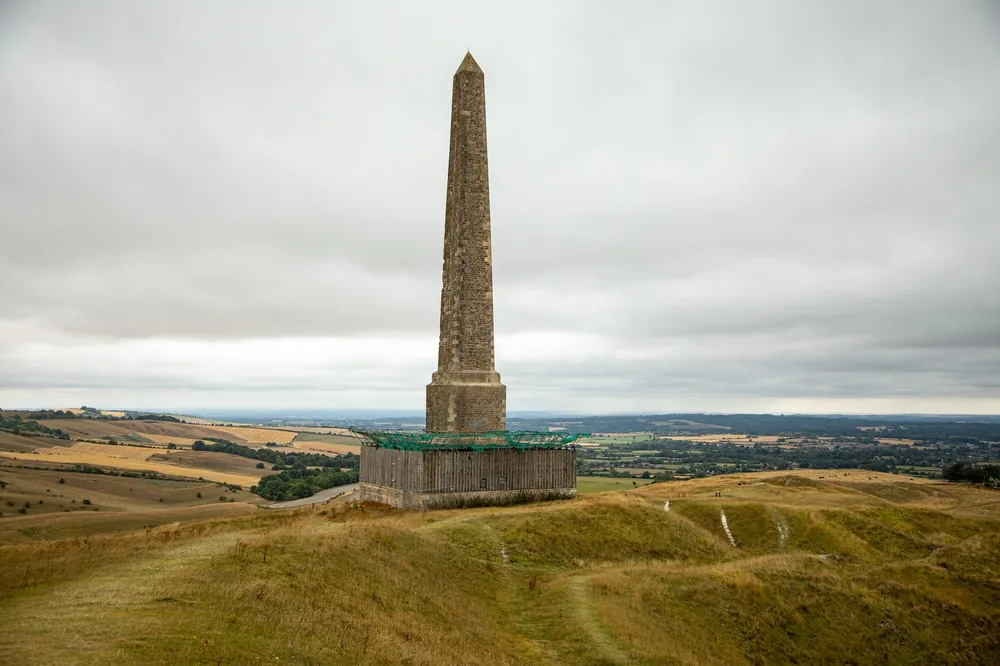
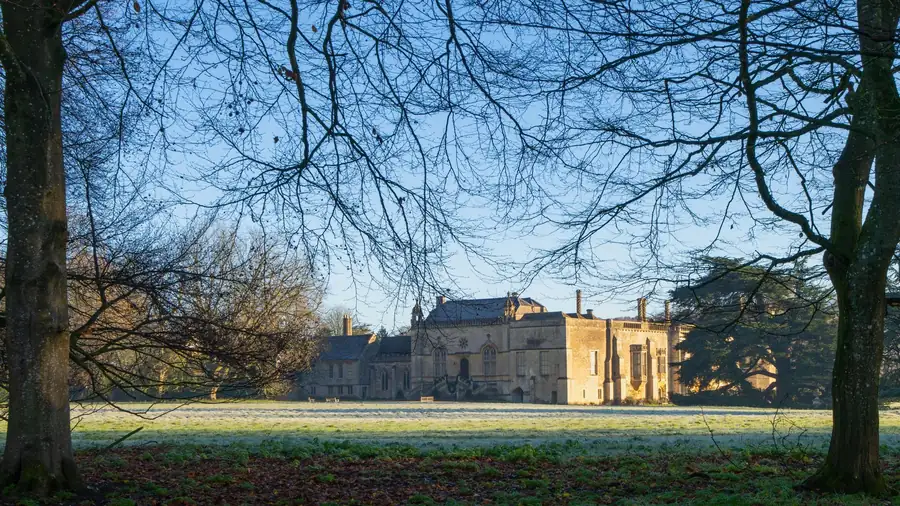
Yes. Lacock is a medieval village around a National Trust abbey, 30 minutes beyond Avebury, and it rounds off a stone circle day well. The abbey was home to William Henry Fox Talbot, who invented the photographic negative.
- The abbey: a country house built on the remains of a medieval nunnery, with cloisters that have often appeared on film and TV.
- Fox Talbot Museum: the story of early photography, in the abbey grounds.
- The village: timber-framed and stone houses, a 14th-century tithe barn and a short circular walk across a ford.
- Winter: the abbey rooms close for cleaning until the end of February, but the Great Hall reopens for Christmas from 28 November.
Lacock: the facts
Open: abbey grounds and Fox Talbot Museum 10am to 4pm; cloisters 10:15am to 3:45pm
Adult ticket: £14, or £16 from 28 November to 1 January; no need to book
Parking: £5 a day
Time needed: 1 hour 30 minutes
Best for: photographers, film fans and a gentle walk to end the day
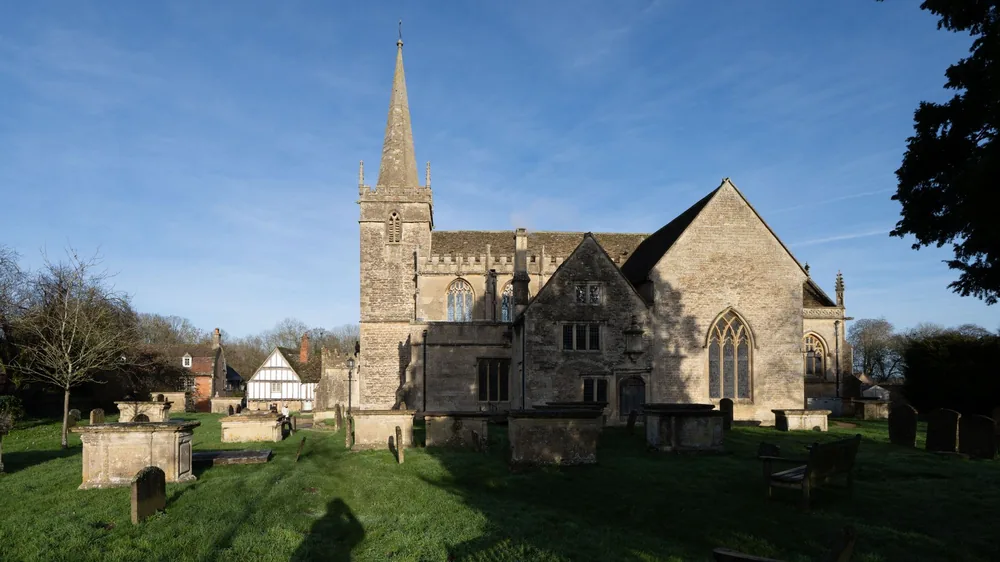
Castle Combe, another stone village, is 20 minutes from Lacock; our Castle Combe guide covers it.
Can you combine Stonehenge and Bath in one day?
Yes. Bath is under an hour west of Stonehenge, and the two fill a day of about 10 hours from London. The stones come first, then two to three hours in Bath for the Roman Baths, Bath Abbey and the Royal Crescent.
- In Bath: the main sights sit on one walking loop from the station; our day trip to Bath guide has the map, winter hours and tickets.
- By public transport: no train reaches Stonehenge itself, so you would first take the bus back to Salisbury; in one day, the car is the practical way to join the two.
- Winter light: it is dark by about 4pm, so book your Roman Baths slot for about an hour after you leave the stones.
What are the best day trips around Stonehenge from London?
The three best days around Stonehenge from London are Stonehenge with Salisbury, Stonehenge with Avebury and Lacock, and Stonehenge with Bath. Each one starts with the stones, because in winter last entry is 3pm. Times below are door to door from central London.
Day 1: Stonehenge, Old Sarum and Salisbury (about 8 to 9 hours)
- 8am: leave central London; about 2 hours to Stonehenge.
- 10am: Stonehenge, about 2 hours with the exhibition and the shuttle to the stones.
- 12pm: Old Sarum for an hour, on the way south.
- 1:30pm: Salisbury Cathedral and Magna Carta, before the Chapter House closes at 4:30pm.
- 3pm: leave Salisbury; about 1 hour 30 minutes to 2 hours back to London.
Day 2: Stonehenge, Avebury and Lacock (about 10 hours)
- 8am: leave central London.
- 10am: Stonehenge for 2 hours.
- 12:40pm: Avebury, 40 minutes north; walk the circle and visit the museum.
- 2:45pm: Lacock, 30 minutes on, before the abbey grounds close at 4pm.
- 4pm: leave Lacock; about 2 hours back to London.
Day 3: Stonehenge and Bath (about 10 hours)
- 8am: leave central London.
- 10am: Stonehenge for 2 hours.
- 1pm: Bath, under an hour on, for two to three hours.
- 4pm: leave Bath; about 2 hours 15 minutes to 2 hours 30 minutes back to central London.
By public transport, only the Salisbury day works well: trains run to Salisbury, and the Stonehenge bus links the station, Old Sarum and the stones.
By car, our private Stonehenge day trip takes about six hours and costs from £520 for the whole car, up to three passengers. To add Salisbury, Avebury or Lacock, tell us when you book and we include it in the plan and the fare.
For the Bath day, our Stonehenge and Bath trip costs from £620 for the car; Salisbury can replace Bath on that trip at the same fare.

When should you visit the places near Stonehenge?
Any time of year works, but winter days are short: Stonehenge’s last entry is 3pm, and most other places nearby close at 4pm. Plan the outdoor sites for the middle of the day and check closures around Christmas.
- Stonehenge in winter: 9:30am to 5pm with last entry at 3pm; closed on Christmas Day. What those hours cover is in our guide on whether Stonehenge is worth visiting in winter.
- Closures: Salisbury Cathedral closes early on 27 and 28 November and to visitors on 29 November; Old Sarum closes from 24 to 26 December; Lacock Abbey’s rooms stay closed until the end of February.
- Christmas events: Avebury Manor and Lacock Abbey both open seasonal displays from 28 November.
- Winter solstice: sunrise at Stonehenge is celebrated on 22 December; our winter solstice guide has the times.
- Weekends: the cathedral opens later on Sundays, from 12:30pm, so a Salisbury day suits Monday to Saturday best.
FAQ: things to do near Stonehenge
What is the closest attraction to Stonehenge?
Woodhenge and Durrington Walls are the closest, about 3 miles from Stonehenge and 1.5 miles north of Amesbury. Woodhenge is a ring of timber posts from about 2500 BC, now marked in concrete. Both are free, open in daylight, and take 30 to 45 minutes.
How far is Avebury from Stonehenge?
Avebury is about 40 minutes north of Stonehenge by car. It is the largest stone circle in the world, and unlike Stonehenge you can walk among the stones. Allow one to two hours there, and add Lacock village, about 30 minutes further on.
Can you see Stonehenge and Salisbury Cathedral in one day?
Yes. Salisbury Cathedral is about 25 minutes from Stonehenge, so both fit easily into a day from London of about 8 to 9 hours. See the stones in the morning, stop at Old Sarum on the way, and reach the cathedral before the Chapter House closes at 4:30pm.
Is Avebury free to visit?
The Avebury stone circle is open from dawn to dusk, and the National Trust lists tickets only for Avebury Manor and the Alexander Keiller Museum. Parking costs £8 for the day, or less after 3pm. Guided tours of the stones run at midday and in the early afternoon.
Where can you see the Magna Carta near Stonehenge?
At Salisbury Cathedral, about 25 minutes from Stonehenge. Its copy is one of four surviving originals from 1215. It is shown in the Chapter House, open from 10:30am to 4:30pm Monday to Saturday and from 1pm to 4pm on Sundays. The cathedral ticket includes it.
What is there to do near Stonehenge in winter?
Plenty, though days are short. Woodhenge and the Stonehenge Landscape are open in daylight. Old Sarum and the Avebury museum open from 10am to 4pm, and Salisbury Cathedral opens daily apart from 29 November. From 28 November, Avebury Manor and Lacock Abbey add Christmas displays.
Sources
Sources: hours and prices from English Heritage, the National Trust and Salisbury Cathedral. Read on 18 November 2026.